Click below to expand each section for draft messaging for social media.
You can download visual assets to complement most categories below the draft messaging.
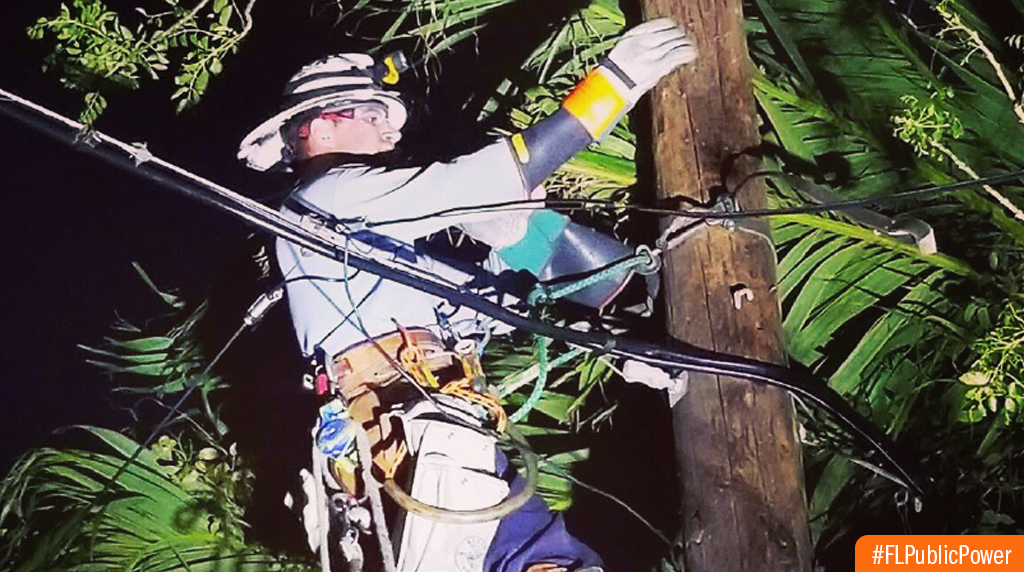
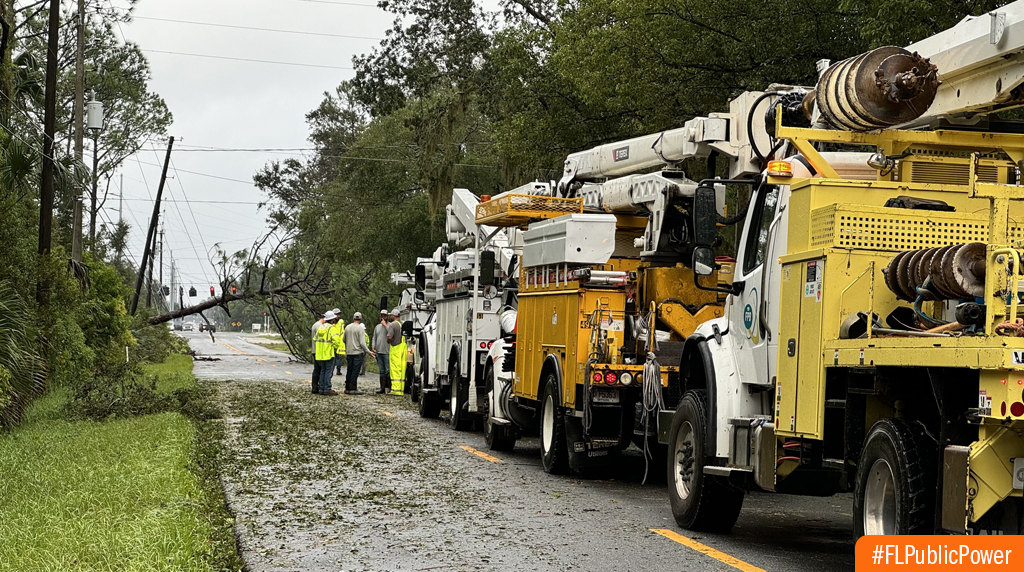
- __________________ [insert utility name] has activated our storm response plan and our crews are on-hand and ready to restore power as soon as it is safe to do so. Additional lineworkers through our mutual aid network are on standby to assist with restoration efforts.
- Florida’s public power utilities, including __________________ [insert utility name], have been coordinating with state and local officials in preparation for Hurricane __________________ [insert name] for days. Restoration personnel and equipment are strategically positioned to protect critical infrastructure and are ready to act once the storm passes.
- Our national mutual aid network has been activated and additional lineworkers and other resources are being mobilized to assist where needed.
- Storm restoration personnel are mobilized and ready to respond to any power outages once conditions are safe to do so. __________________ [insert utility name] and other mutual aid crews assisting in the restoration effort will work around the clock to restore power as quickly as possible.
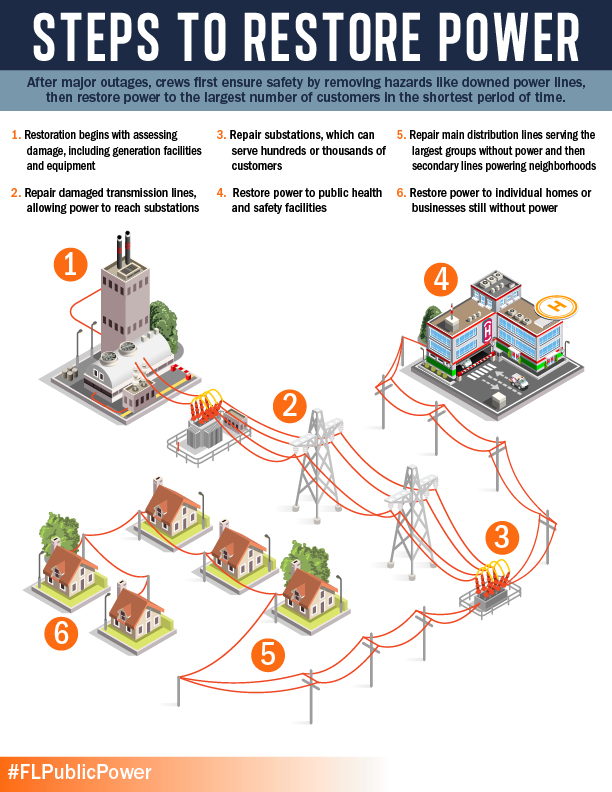
- After the severe weather passes, crews will begin restoring power by repairing power plants, transmission lines, substations and main distribution lines. Once the main power lines are repaired, crews turn their attention to individual customer outages.
- Hurricane __________________ [insert name] is a Category ____[insert category] storm that is moving __________________ [insert direction]. Forecasters are predicting the storm will make landfall __________________ [insert date/time of expected landfall]. This storm is capable of causing widespread power outages and property damage. Now is the time to act.
- Prepare your house to minimize damage. Bring in outdoor furniture and anything else that is not tied down to prevent injury/damage from debris. Now is not the time to trim tree branches and place them at your curb. Limbs and yard debris can become dangerous projectiles in high winds.
- Hurricane __________________ [insert name] is approaching our area. Our crews are prepared and ready to respond. Now is the time to charge devices, prepare food and water, and stay informed. Follow this page for updates.
- Customers need to prepare now for the possibility of power outages following Hurricane __________________ [insert name]. Report any power outages by __________________ [insert outage reporting information: phone number, online, app, etc.]. Don’t assume your neighbors have already reported the outage.
- Continue to check Facebook for updates on Hurricane __________________ [insert name]. You can also find hurricane and power outage information on __________________ [insert link to your website and info on apps and other social media channels].
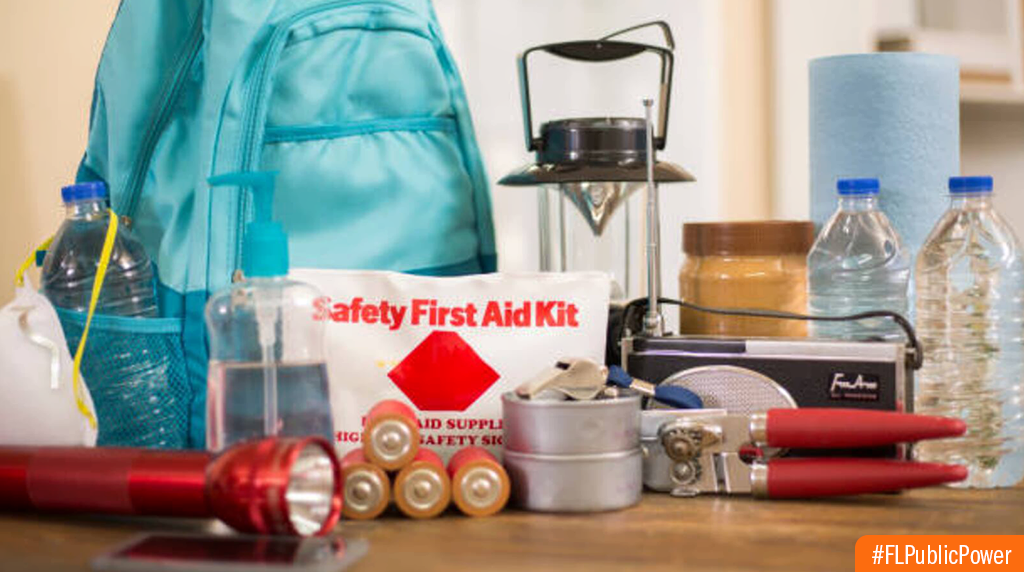
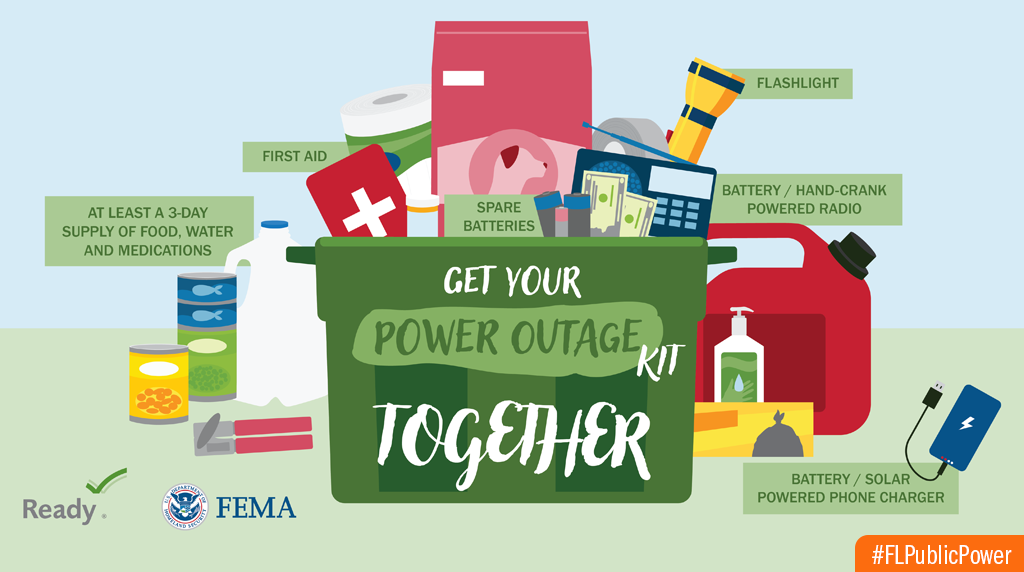
- Hurricane __________________ [insert name] is headed our way. Take action now! Assemble a hurricane survival kit that includes first aid supplies, a battery-powered radio, tarps, batteries, flashlights, several days of non-perishable food and drinking water (at least 1 gallon per person, per day), medications, baby food and diapers, pet food, and cash. Make sure your vehicle has a full tank of gas or charge and you have fuel on hand for a gas grill and/or generator. [If your utility has a hurricane preparedness guide, include a link to it.]
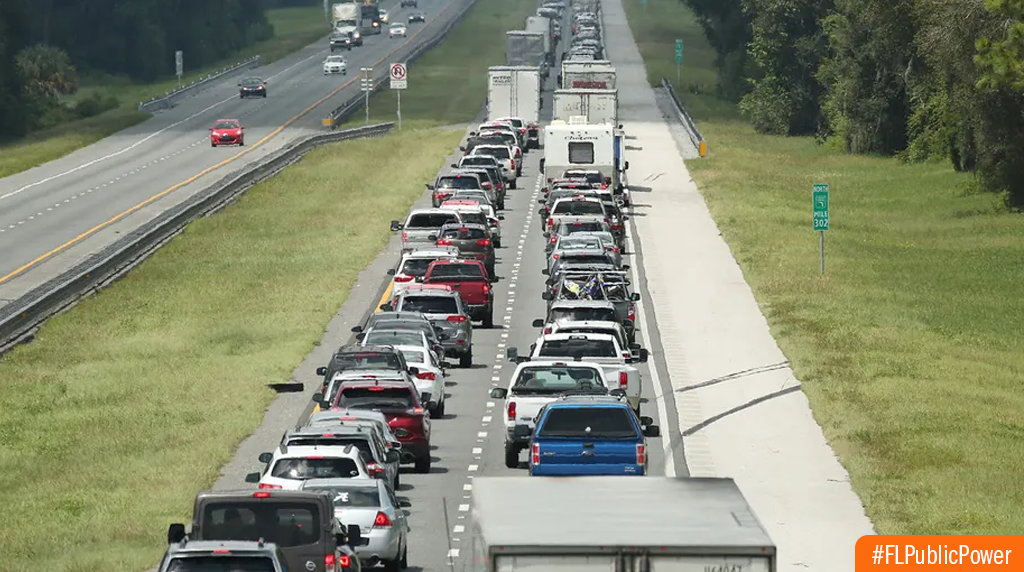
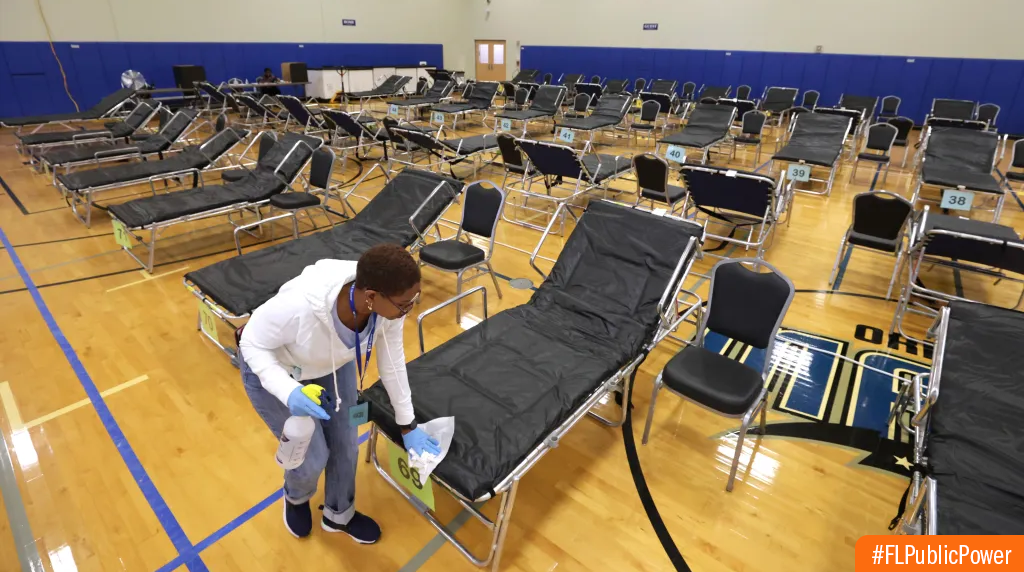
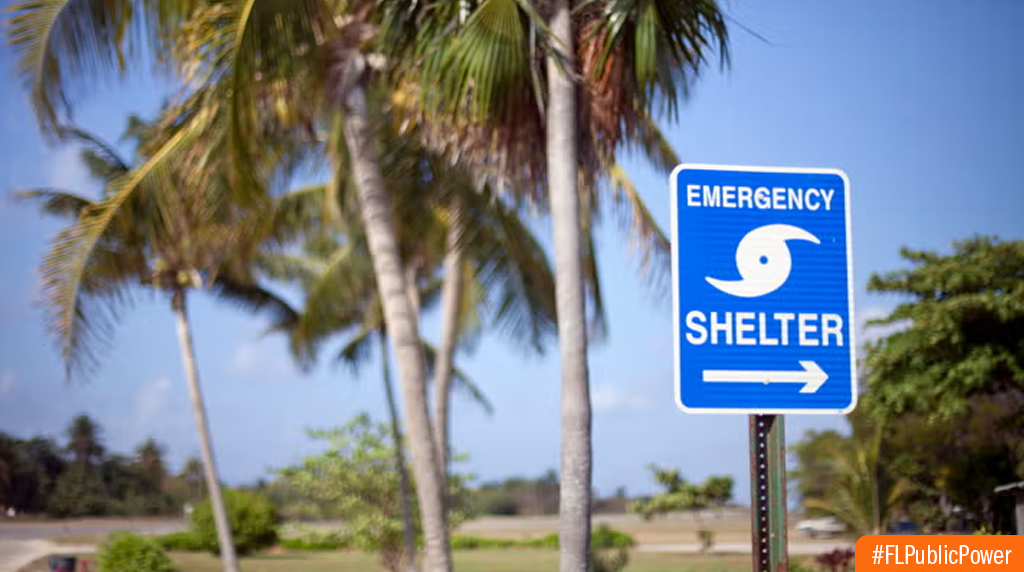
- If you have been ordered to evacuate or plan to leave the area before Hurricane __________________ [insert name], do not delay. To find your best hurricane evacuation route, __________________ [insert information on evacuation routes]. Information about local shelter locations can be found __________________ [insert where it can be found or insert the shelter information here]. Expect heavy traffic and plan accordingly.
- Evacuating? Shut off the power to your home at the main circuit breaker to avoid fires caused by rising waters. Minimize your travel distance by finding the closest public shelter or evacuation location within your county. Plan for lots of people on the roads causing traffic congestion and delays.
- If you are a customer that is dependent on electricity for oxygen or other medical equipment, ensure you have a backup power source in place. Utilities typically cannot respond to individual medical needs during or immediately after a storm. Know your special needs shelter locations and evacuate early if possible. If you or someone you know has special electrical medical equipment needs, notify the electric utility prior to the storm’s arrival. [If your utility has specific medically essential procedures, list them here.]
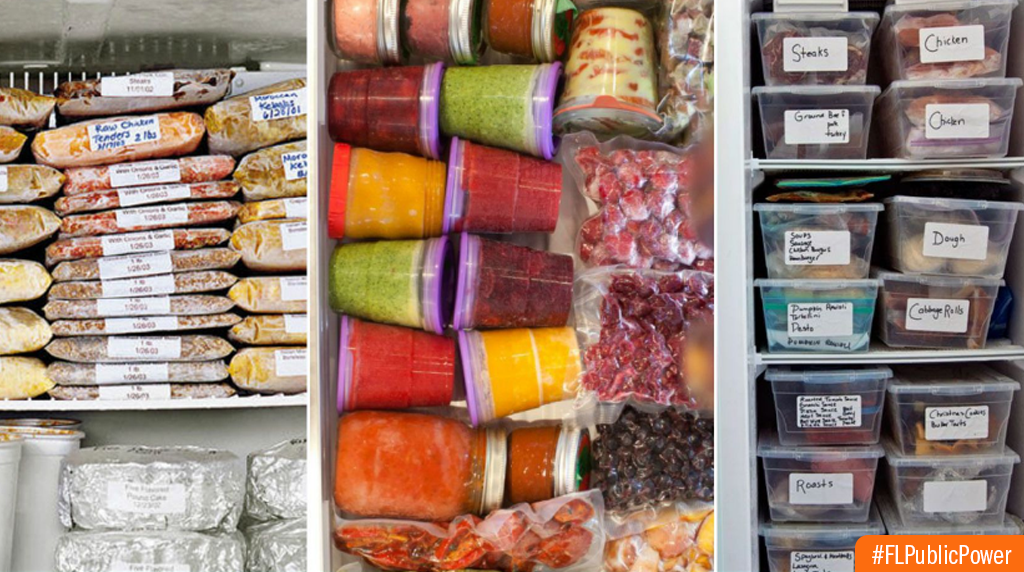
- Set your fridge and freezer to their coldest setting and avoid opening the doors. An unopened refrigerator keeps food safe for about four hours, while a closed, fully stocked freezer can hold safe temperatures for up to 48 hours.
- Keep a few days’ worth of ready-to-eat foods that do not require cooking or cooling.
- Freeze refrigerated items such as leftovers, milk, fresh meat and poultry now so they’ll stay at a safe temperature longer during an outage. Group freezer items together — this igloo effect maintains cold temperatures longer.
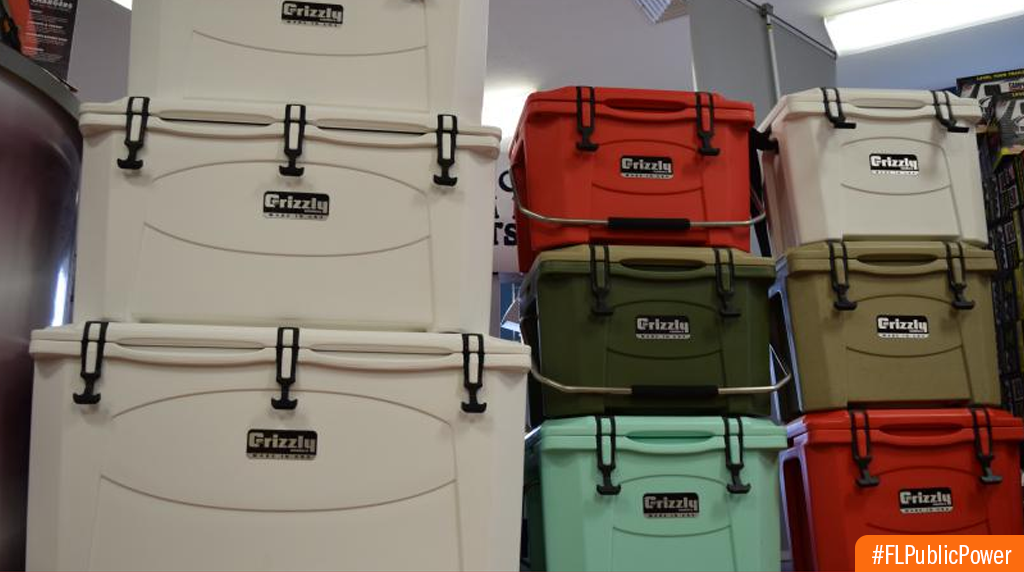
- Have coolers on hand to keep refrigerator food cold if the power is out for more than four hours. Purchase or make ice cubes and store in the freezer for use in the refrigerator or in a cooler. Freeze gel packs ahead of time for use in coolers.
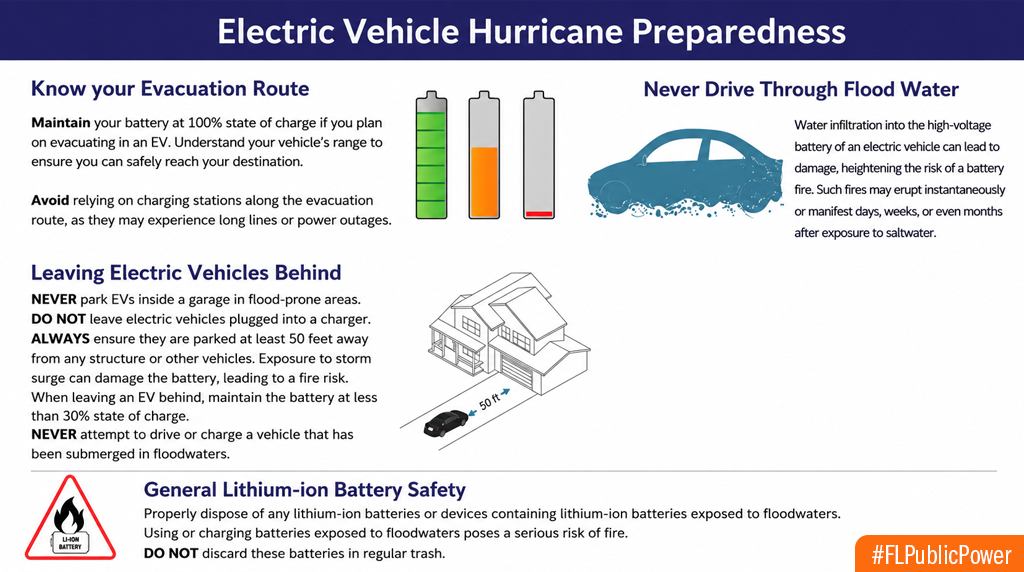
- EV drivers: charge your EV to full now. Similar to charging phones or backup batteries before outages, keep your battery as close to 100% charged as possible. If an evacuation becomes necessary, you’ll be ready.
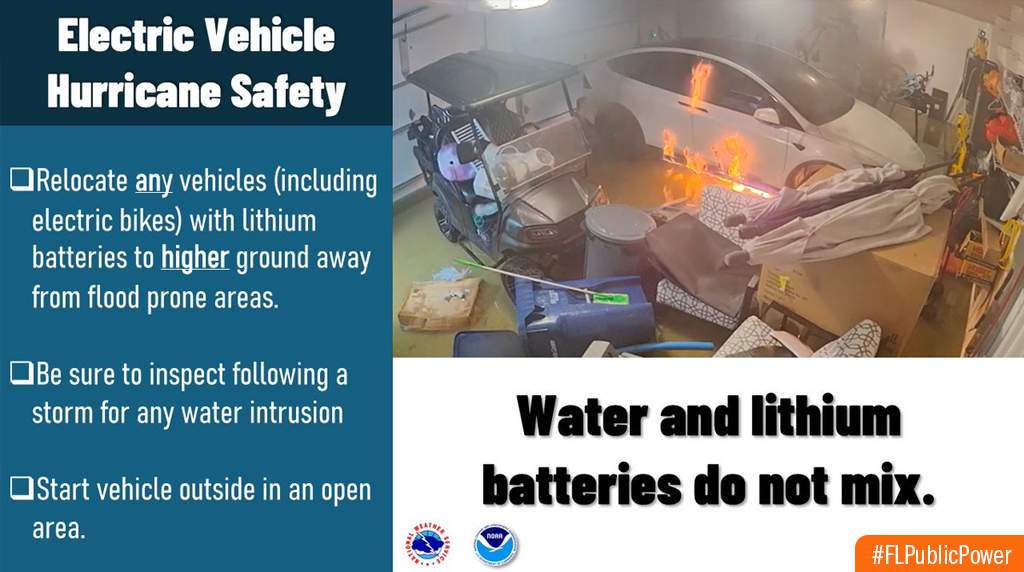
- EVs and severe weather don’t mix. Before the storm arrives, unplug your EV, disconnect the charger and secure cables. Move vehicles away from flood-prone areas. Park on higher ground or in a garage if possible. Do not charge your EV during severe weather. Power surges, flooding, lightning and debris can damage charging equipment or your vehicle.
 Enter your email address in the